XERF, Recommended For
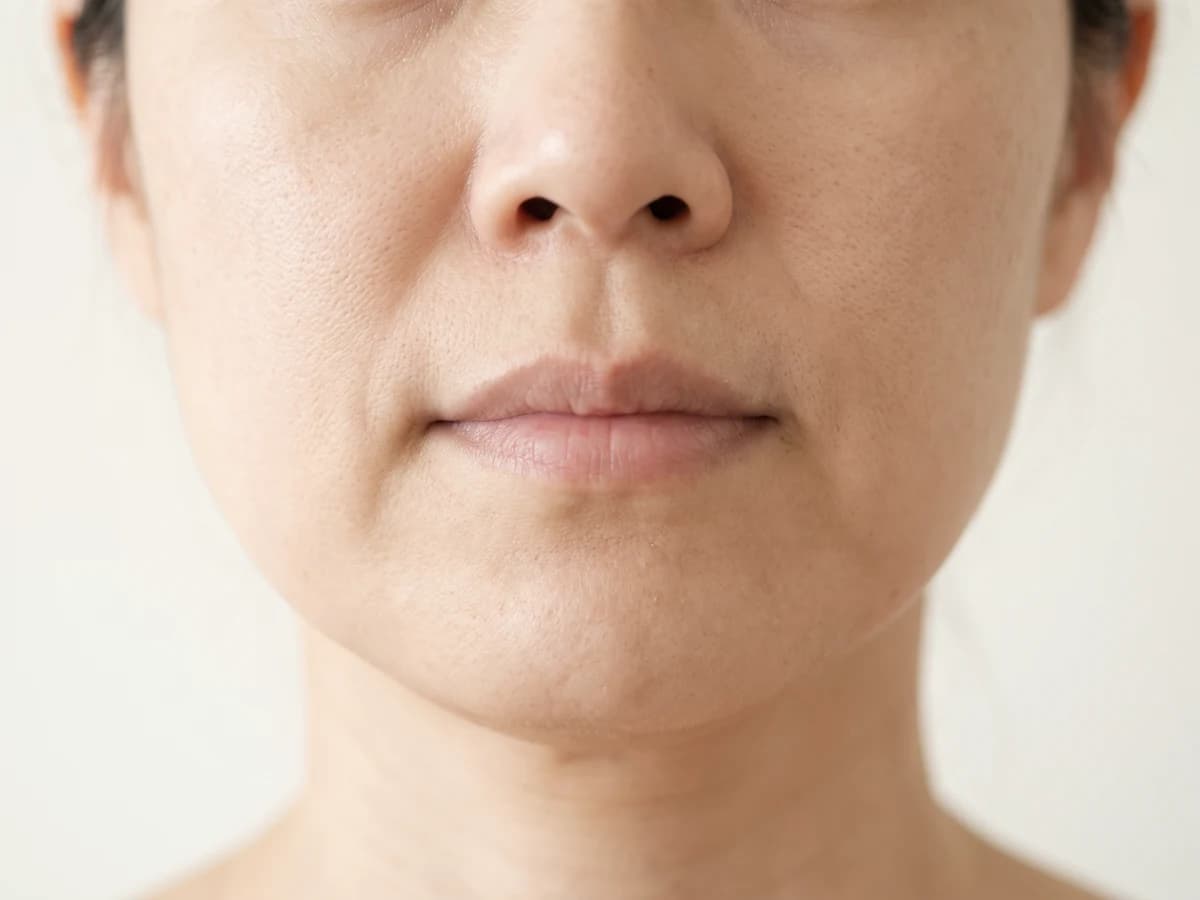
- Those whose cheeks and jawline have become looser than before
- Those who want to tighten both the surface and the deeper layers of the skin
- Those worried about discomfort during treatment
How It Works and How It Is Performed
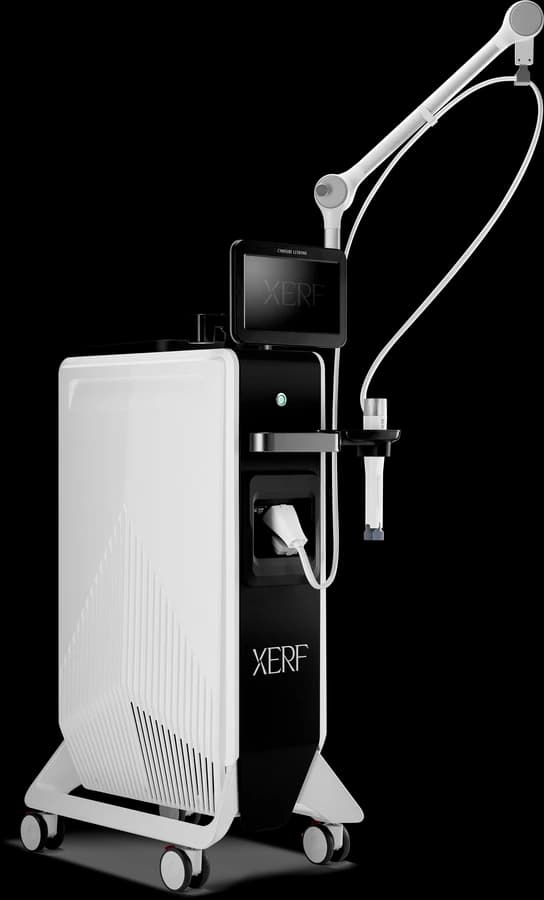
Tightening at Separate Depths with Two Types of Radiofrequency
Radiofrequency energy at two frequencies is combined to adjust the depth in three levels.
Facial laxity is addressed layer by layer.
Delivering Over a Wide Surface While Monitoring Temperature
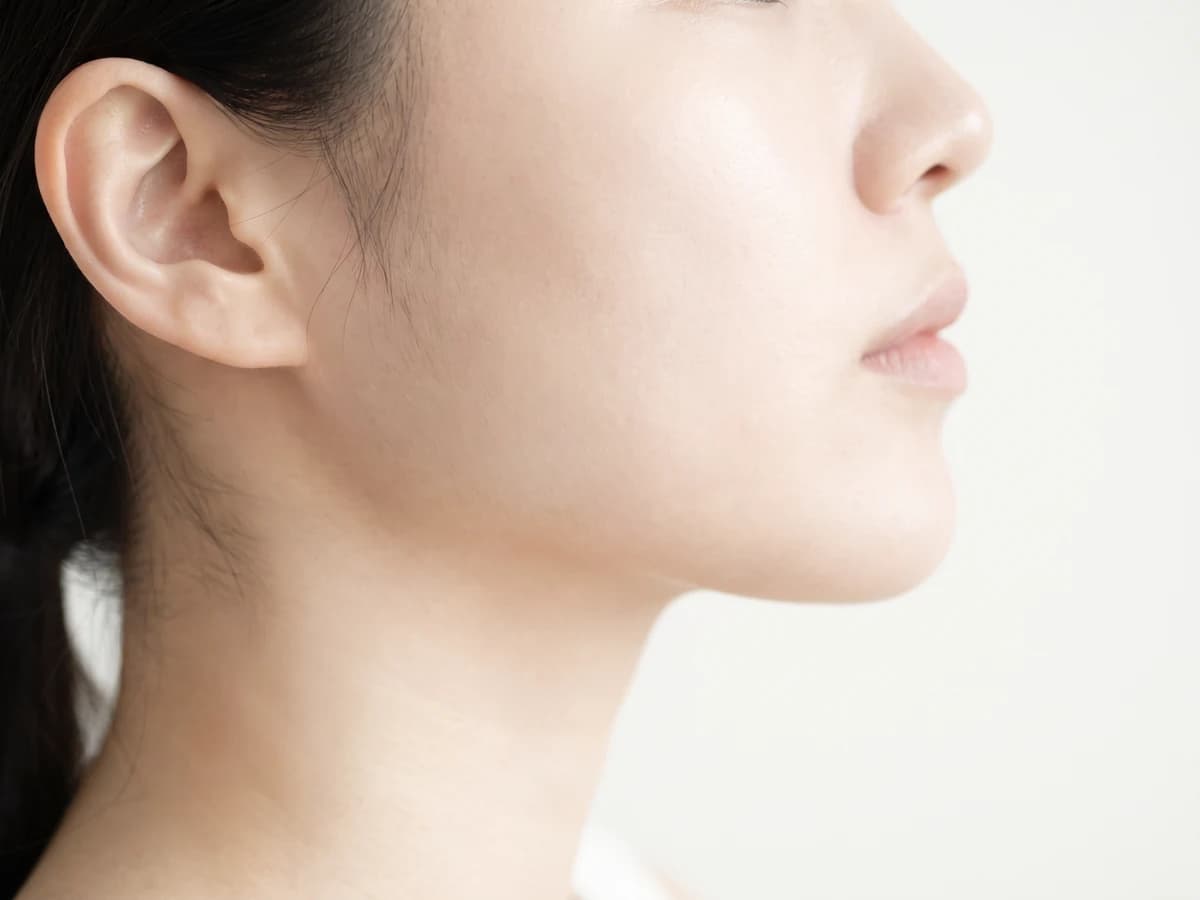
The applicator has a wide contact surface, so radiofrequency is delivered to a broad area at once.
Skin surface temperature is monitored in real time by a sensor during treatment.
The skin is cooled with cold gas, and energy is delivered in divided doses to reduce the burden of pain during treatment.
XERF is recommended at intervals of 3 to 6 months.
Frequently Asked Questions
How do the two frequencies of XERF differ?
XERF combines 2MHz and 6.78MHz radiofrequency to address the deeper and shallower layers of the skin. The treatment depth is adjusted according to skin thickness and the areas that have lost elasticity.
What is the difference between XERF and Thermage?
Both are tightening treatments that firm the dermis with radiofrequency. Thermage evenly heats the full thickness of the dermis with monopolar radiofrequency, while XERF combines two frequencies and divides the treatment depth into three levels, from shallow to deep layers. The choice is made based on which layer has lost elasticity and on skin thickness.
Is the treatment very painful?
Because the sensation varies from person to person, we explain it during your consultation. Gas cooling and the delivery of energy in divided doses ease the burden of pain during treatment, and a sensor checks the skin surface temperature in real time.
With XERF, are more shots better?
The number of shots alone cannot tell you whether a treatment is right for you. Because the depth and energy settings needed vary with the treatment range and skin condition, we first decide which areas to treat and for what purpose.
How often should I have the treatment?
At LOERE, we recommend receiving it at intervals of 3–6 months. Rather than immediately after treatment, results appear gradually over 2–6 months and may vary from person to person.
I've heard my cheeks could become hollow. Is that a concern?
Cheek hollowing is a side effect that may occur in rare cases. Before treatment, we check skin thickness and the amount of fat, and in areas where volume needs to be preserved, we adjust the depth and range of treatment.
Are there cases in which I cannot have the treatment?
Treatment is restricted if you have metal or a pacemaker in your body. Treatment is restricted during pregnancy or if there is inflammation, a wound, or a skin condition in the treatment area. Please let us know during your consultation which areas have previously been treated with filler or a thread lift, and when. If the same area was treated, the treatment is performed after 2 months have passed.
Will my skin turn red or swell after treatment?
Temporary redness, warmth, and swelling may occur, and in most cases these improve within a few days. Other side effects may rarely occur; we explain them in detail during your consultation before treatment.
By Principle, By Evidence
We begin by listening carefully to what you want.
We set the scope and intensity of each treatment to suit your skin condition.
We explain in full the effects you may expect and the limits of the treatment.