PicoSure, Recommended For
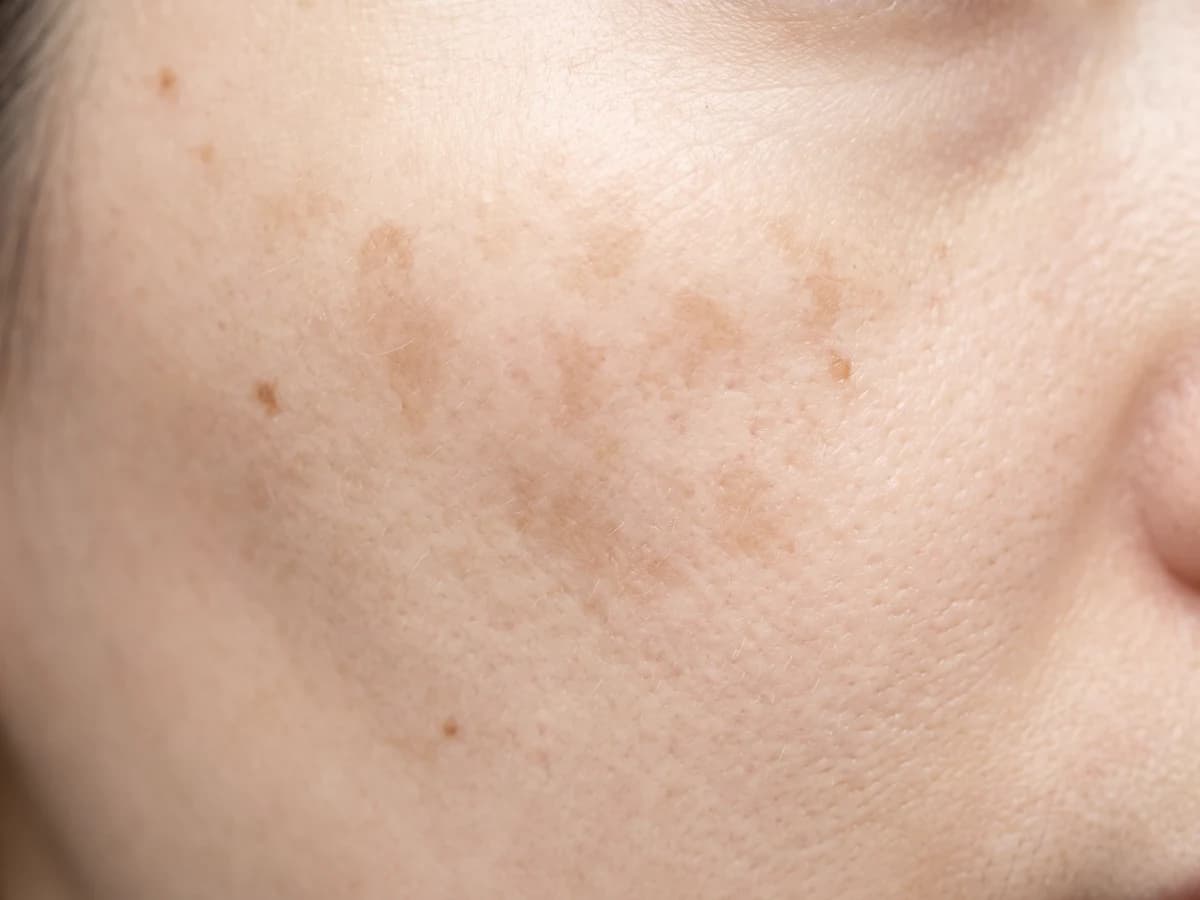
- Those with pigmentation that remains in various places on the face
- Those who want to remove an unwanted tattoo
- Those who want to address not only pigmentation but also scar marks and pores
How It Works and How It Is Performed
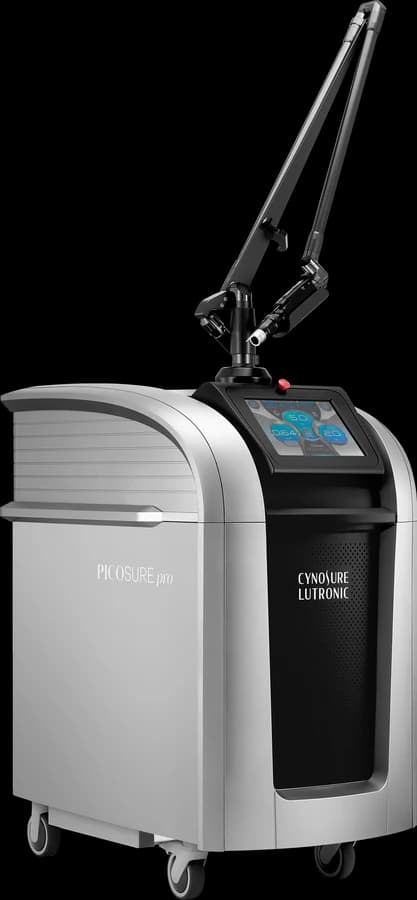
Firing the Laser in a Very Short Time
Laser light fired in units of one trillionth of a second breaks pigment into small pieces.
It is used for pigmentation such as melasma, dark spots, and nevus of Ota, and for tattoo removal.
The Device Used Differs by Concern
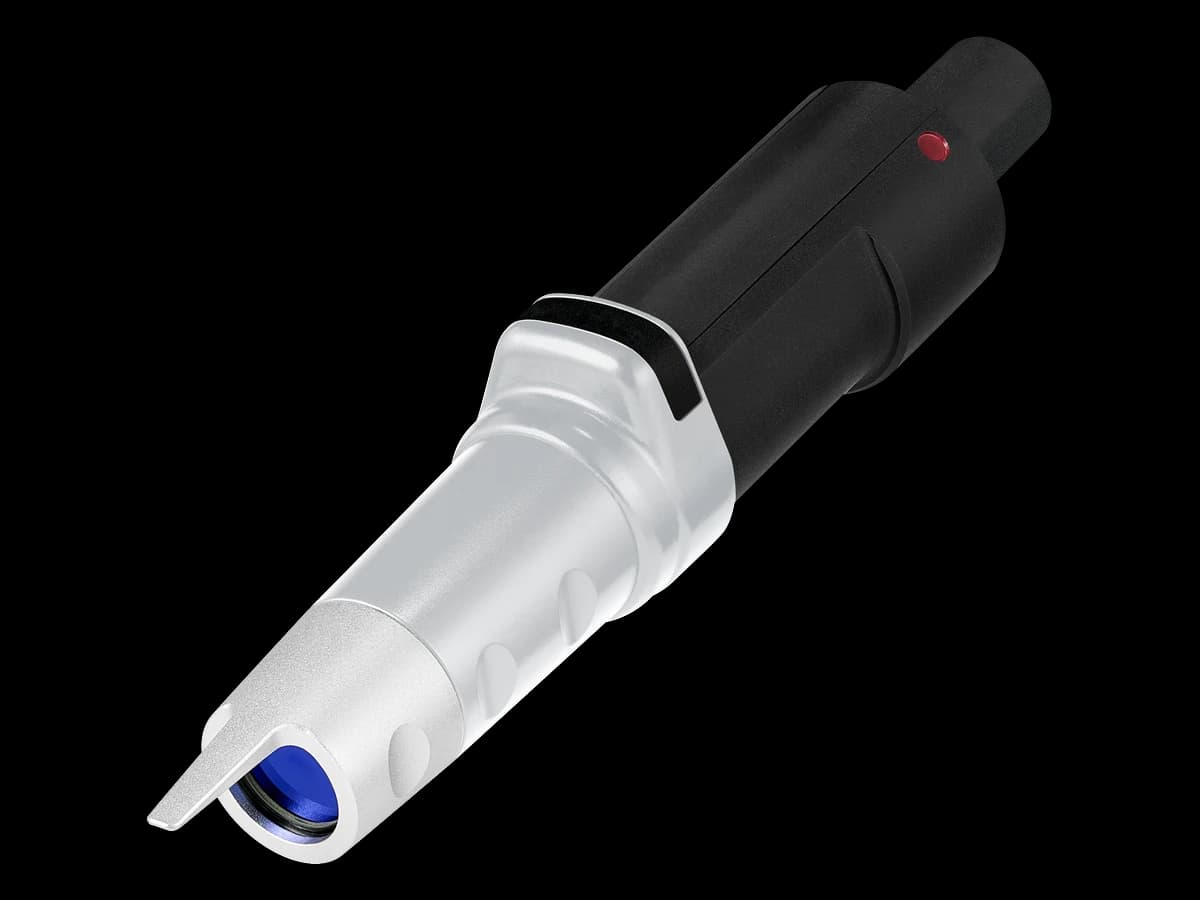
For pigmentation such as freckles and lentigines, an attachment that can change the size of the area the laser reaches is used, and a dedicated lens is used separately for scars and pores.
Frequently Asked Questions
Are pico toning and pico fractional the same treatment?
Even though both use the same PicoSure device, their purposes and lenses differ. Unlike treatments that address pigmentation, pico fractional uses a focus lens to address pores, scars, and skin texture.
Is everything that looks like a dark spot removed in the same way?
Melasma, freckles, lentigines, and nevus of Ota are approached separately. We first check the type and depth of the lesion and then decide the handpiece and the area the laser is fired on, so we do not remove them in the same way based only on photos or color.
Can melasma be removed with a laser?
Melasma can be difficult to treat with lasers alone. At LOERE, we recommend skin-recovery care and prescription medication alongside laser treatment. The plan depends on the type of pigmentation and your skin's response.
Can tattoos also be removed?
Because PicoSure works by breaking pigment into small pieces, it is also used for tattoo removal. After checking the color and depth of the tattoo, we decide the area the laser is fired on and the number of sessions.
Are there cases in which I cannot have the treatment?
If you have recently tanned, are taking photosensitizing medication, or have a tendency to form keloids, please discuss this with us in advance. Treatment is restricted during pregnancy or if there is inflammation, a wound, or a skin condition in the treatment area.
Will my skin turn red or form scabs after treatment?
Temporary redness, warmth, and swelling may occur, and in most cases these improve within a few days. Scabs or temporary hyperpigmentation may occur. Other side effects may rarely occur; we explain them in detail during your consultation before treatment.
By Principle, By Evidence
We begin by listening carefully to what you want.
We set the scope and intensity of each treatment to suit your skin condition.
We explain in full the effects you may expect and the limits of the treatment.