Er:YAG Laser, Recommended For
- Those with bothersome moles on the face or body
- Those bothered by small raised bumps on the skin
- Those concerned about seborrheic keratoses or warts
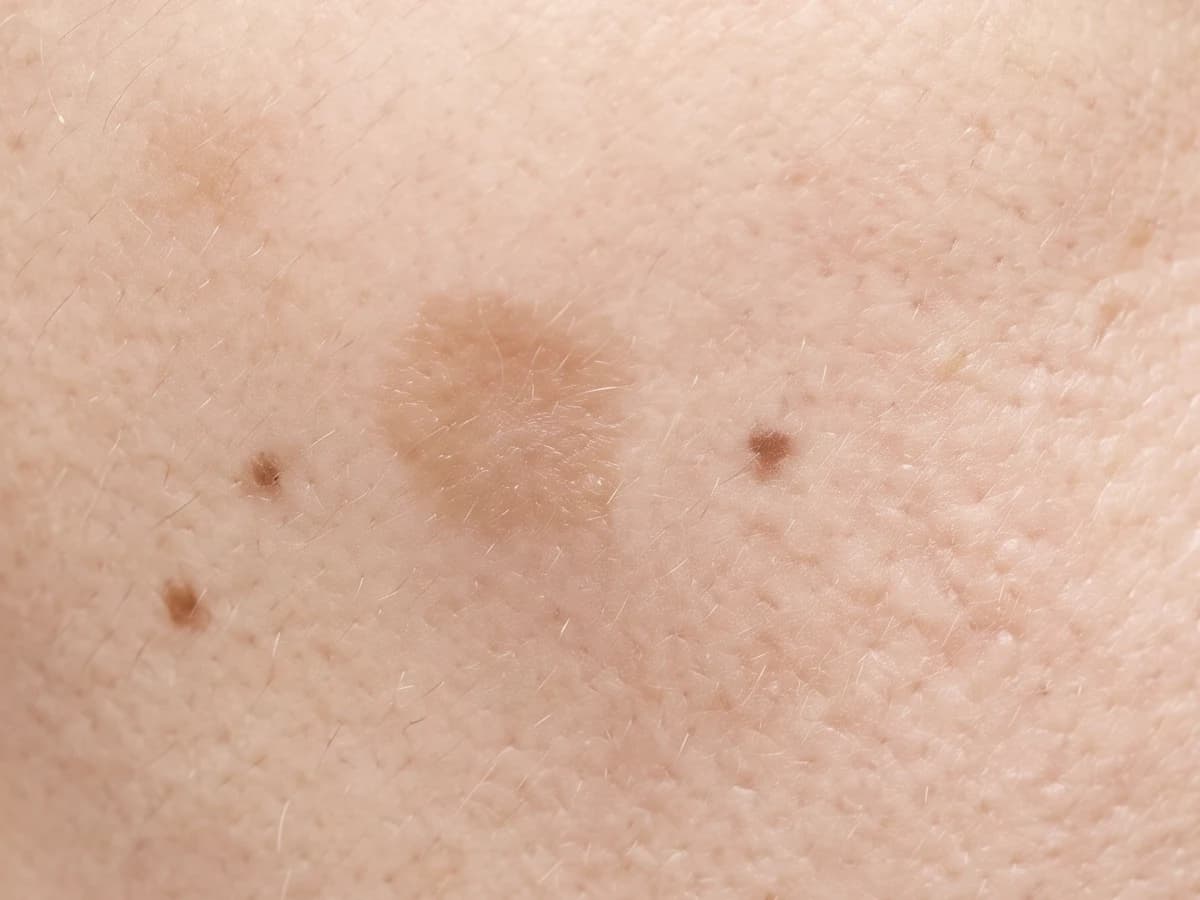
How It Works and How It Is Performed
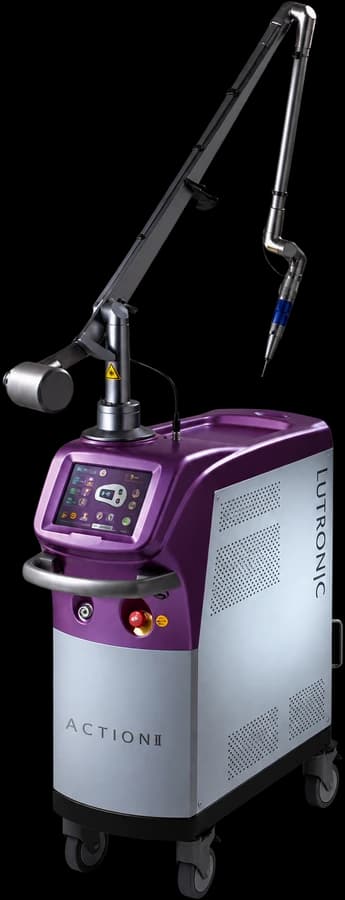
Shaving Away Raised Moles and Bumps One Layer at a Time
The light of the Er:YAG laser is strongly absorbed by water in the skin, so it acts right at the surface it touches.
As a result, heat spreads less to the surroundings, and it can be applied at a shallow depth.
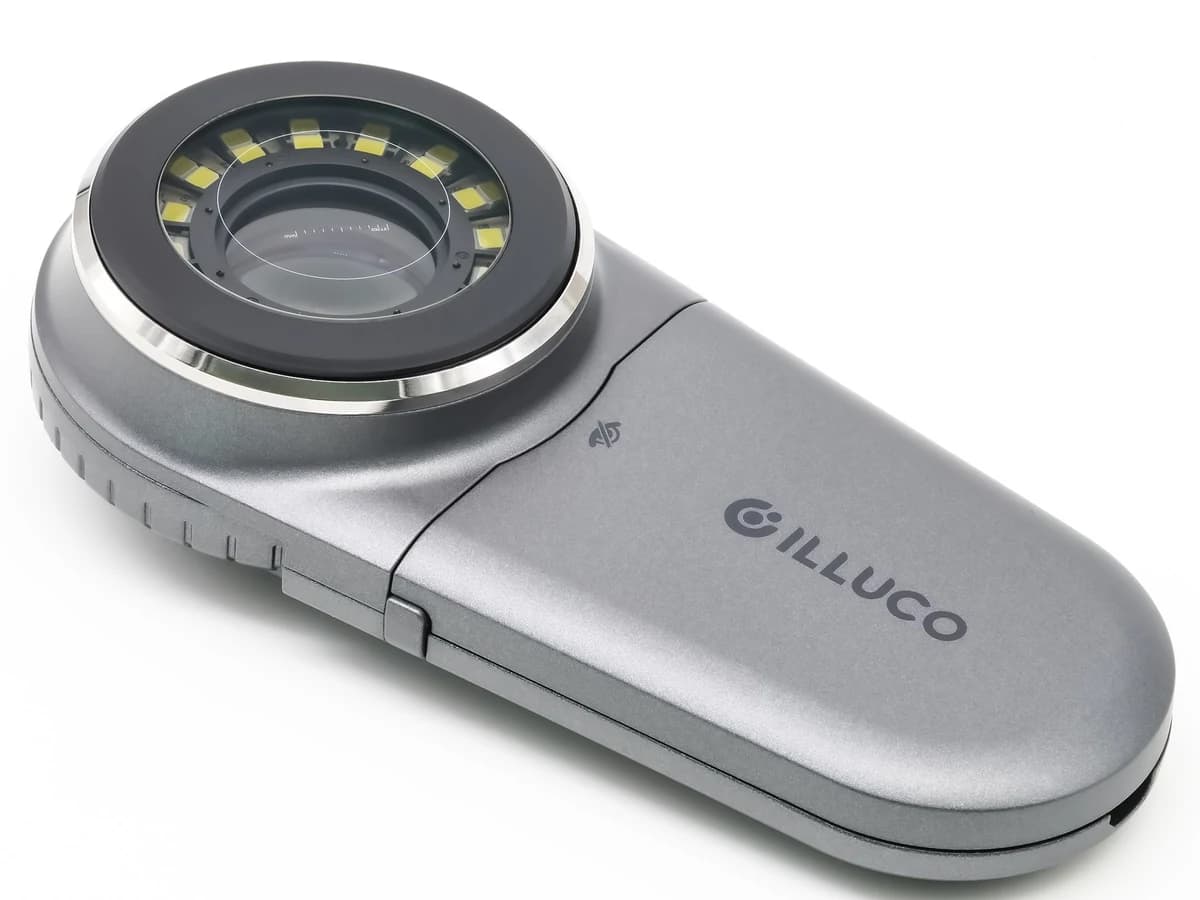
The Removal Method Differs by Type of Mole
Even if something looks like a mole, there are several types, so we first check through examination what kind of lesion it is.
When malignancy is suspected, we give priority to an examination that identifies the type of lesion over laser removal.
Frequently Asked Questions
If something looks like a mole, can it be removed with a laser right away?
We first identify what kind of lesion it is through examination. If malignancy is suspected, differential diagnosis takes priority over laser removal, and we do not treat every brown lesion as the same kind of mole and remove it.
Do raised moles or flat warts also go away in one session?
Raised moles may come back after removal, and flat warts are viral lesions, so they may recur. After checking the type and depth of the lesion, we explain the extent of removal and the possibility of additional treatment.
Are seborrheic keratoses, skin tags, and milia also removed with the same laser?
The 2940nm Er:YAG laser uses a wavelength that is strongly absorbed by water to shave away lesions shallowly, layer by layer. It is used on lesions on the skin surface such as moles, milia, skin tags, warts, and seborrheic keratoses, and the extent of removal is decided according to the type and depth of the lesion.
Can it also be done on the body, not just the face?
It is used for lesions on the skin surface of both the face and body. After checking the area and the type of lesion, we decide the extent of removal.
Are there cases in which I cannot have the treatment?
Treatment is restricted if you have a tendency to form keloids. Treatment is restricted during pregnancy or if there is inflammation, a wound, or a skin condition in the treatment area.
Will my skin turn red or swell after treatment?
Temporary redness, warmth, and swelling may occur, and in most cases these improve within a few days. Other side effects may rarely occur; we explain them in detail during your consultation before treatment.
By Principle, By Evidence
We begin by listening carefully to what you want.
We set the scope and intensity of each treatment to suit your skin condition.
We explain in full the effects you may expect and the limits of the treatment.